Only 55.2% of Lasting Powers of Attorney applied for in September 2018 were registered, WHY?

Only 55.2% of Lasting Powers of Attorney applied for in September 2018 were registered, WHY?

Statistics from the Office of the Public Guardian show that a total of 77,541 applications to register Lasting powers of Attorney were received in September 2018 alone (59,079 paper applications and a further 18,462 online applications) BUT only 55.2% of those were completed and registered by the Office of the Public Guardian.

So, with so many applications (500 more applications in September 2018 compared to August 2018) it is clear that the importance of putting an LPA in place is recognised by many but why are so many applications not registered?

The application forms are lengthy and do not require completion by a professional and so many opt to make the applications themselves to save money.

However, a Certificate Provider is still required to sign each Lasting Power of Attorney to certify that the Donor (the person making the application) understands the power that they are giving in the LPA, have not been forced or pressured into making the LPA, there is no element of fraud in the application and that they have no cause for concern. This certificate provider must be independent and have known you for at least two years or be a doctor or lawyer.

Although much of the form may seem simple and easy to complete, with just over half of applications being completed by the Office of the Public Guardian, what are the most common errors?

We spoke to the Office of the Public Guardian to ask what the most common mistakes were, causing applications to be rejected and found the following:

  • Inconsistency

The form is lengthy and requires the completion of both the Donor’s details and the Attorney’s details (the person being given the power by the Donor) in numerous boxes and inconsistency with this – whether this be incorrect spelling, inconsistent spelling, inconsistent dates of birth or address – this can cause the application to be rejected.

  • Dates

The application forms require signatures and the date that those signatures were completed to be inserted a number of times and the order in which this must take place is strictly stated in the forms. If this strict sequence is not followed, or dates are missing, this can cause the application to be rejected.

  • Outside the box

The signatures throughout the form must remain inside the boxes given and so if the signatures go outside the box, this may cause the application to be rejected.

With an £82 application fee, that is not refunded if the application is rejected, it is important to ensure your application is completed correctly and also ensure the application is in place ready for when you need it. The form being rejected or sent back to be rectified can cause significant delays and this may well have severe consequences.

Lasting Powers of Attorney allow you, the donor, to give power to the person, or people, you trust most, to make decision for you when you are unable to.

Total Legacy Care are able to provide a Certificate Provider when completing your application for a Lasting Power of Attorney.

If you would like to have a free chat about Lasting Powers of Attorney, please contact us on  info@TotalLegacyCare.co.uk or 01727 865 121

Leah Waller

Got a Question or want to book a FREE Consultation?

Why do I need an LPA?

Why do I need an LPA?

Not everyone understands the importance of having a Lasting Power of Attorney in place and until the time comes, when an LPA is required, many don’t know what they are needed for.

A Will, although extremely important, only comes into effect when the person who made the Will passes away. A Lasting Power of Attorney is required during your lifetime so that someone can make decisions for you when you are unable to make them for yourself.

A Lasting Power of Attorney allows you to appoint someone that you trust to make decisions for you, if you lose mental capacity or are unable to make decisions for yourself.

There are two types of Lasting Power of Attorney:

  • Health & Welfare Lasting Power of Attorney; and
  • Property & Financial Affairs Lasting Power of Attorney.


Health & Welfare Lasting Power of Attorney

The Health & Welfare Lasting Power of Attorney allows your appointed Attorney/s to take decisions on your behalf in relation to your health, medical care, welfare, day-to-day living and activities.

In order for your Attorney to take decisions on your behalf they may need to provide the original Lasting Power of Attorney, or a certified copy, to the following people, depending on the decision that is being made (the Attorney will also need to provide proof of their own identity, such as a passport or driving licence, again this will vary):

  • GP / GP Surgery
  • Hospital Staff
  • Care Home
  • Social Workers
  • Local Authority
  • Sheltered Accommodation

We understand that these conversations are difficult but we always recommend that you have discussions with your Attorney/s to ensure that they know how you would like to be cared for, your preferences for day-to-day care and your end of life care plan.


Property & Financial Affairs Lasting Power of Attorney

The Property & Financial Affairs Lasting Power of Attorney allows your appointed Attorney/s to take decisions on your behalf in relation to your home, property, cash, bank accounts, investments and financial affairs.

In order for your Attorney to take decisions on your behalf they may need to provide the original Lasting Power of Attorney, or a certified copy, to the following people, depending on the decision that is being made (the Attorney will also need to provide proof of their own identity, such as a passport or driving licence, again this will vary):

  • Bank
  • Building Society
  • Utility Companies
  • Care Home
  • Land Registry
  • Local Authority
  • Department for Work & Pensions
  • Service Providers

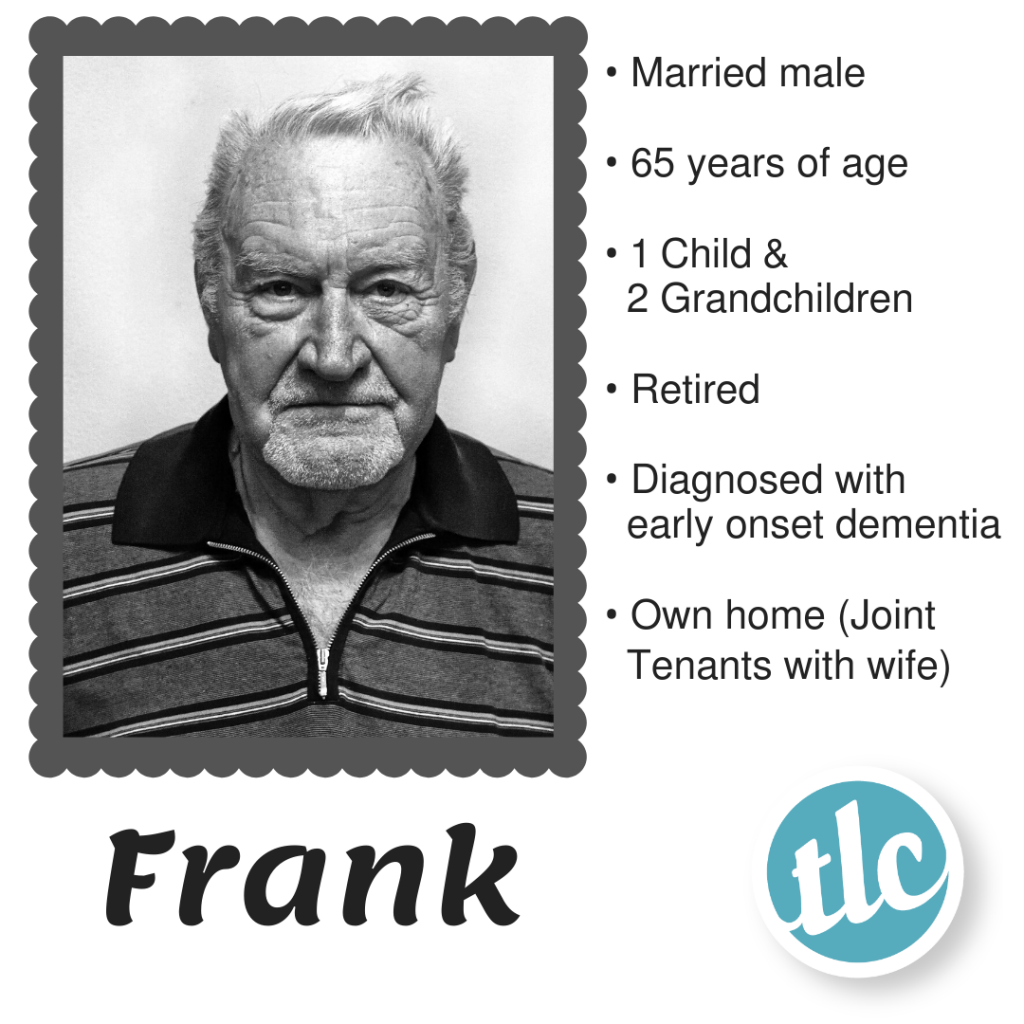
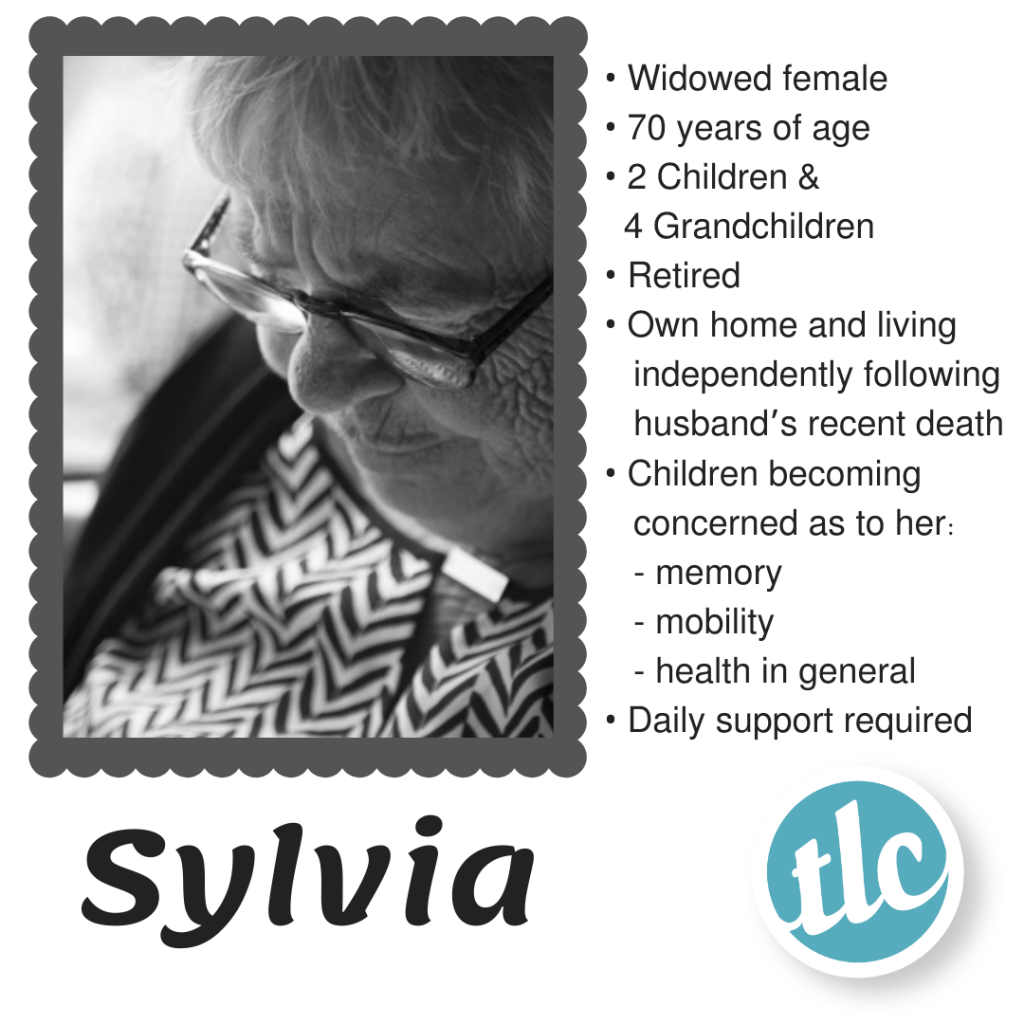
Take a look at our four case studies to see how a Lasting Power of Attorney can help:

If you would like to discuss putting a Lasting Power of Attorney in place, call us on 01727 865 121 or email us at info@TotalLegacyCare.co.uk for a free discussion on how we can help.

Got a Question or want to book a FREE Consultation?

When should I make a Lasting Power of Attorney (LPA)?

When should I make a Lasting Power of Attorney?


Much like when deciding to make a Will (see our Article – When should I make a Will?), there is no right answer, to the question: when should I make an LPA? Everyone’s circumstances are different and so timing will be different for everyone. 


Everyone’s lives take different paths and at different ages and there is no one rule that will fit for all.


There are two types of LPA; a Property & Financial Affairs LPA which allows your Attorneys to make decisions in relation to your finances, bank accounts, stocks/shares, ISAs, your utilities as well as any property that you own or have an interest in, and a Health & Welfare LPA which allows your Attorneys to make decisions in relation to your health, medical treatment, day-to-day activities, living arrangements, accommodation and general welfare.


Below we have set out some of the milestones that making and reviewing your LPAs should be considered:


Recovering from an Illness or Injury

Ideally you would have an LPA in place to cover you prior to any incapacity (whether mental, physical or both) through illness or injury but should you not, it is extremely important to make this a priority once you have recovered.


Should anything happen subsequently, or completely separately, you will want to ensure that your loved ones can make decisions for you, on your behalf, if you are unable to without any hassle and delay. If you have already experienced a stint in hospital through illness or injury you will be all too aware of the delays that can be caused and the distress to loved ones through the lack of an LPA.


Once in a Lifetime Trip / Travelling

If you are embarking on a once in a lifetime trip or travelling it is important to consider an LPA. An LPA not only allows your Attorneys to
take decisions when you no longer have the capacity to do so but also if you are unable to because it requires you being physically present or a physical signature which may well be impossible if you are overseas, especially for an extended period.


Buying your first property

When most people buy a property it is usually their most valuable asset, so you need to prepare for this and ensure that someone that you trust is able to make decisions on your behalf if you are unable to do so through lack of capacity or because you are not contactable due to being abroad or in unforeseen circumstances.


Getting married

When you get married you may wish to review your LPA and consider who was appointed as your Attorney/s and whether this should be updated to include your spouse.


Having a baby

Whether you have your own children, are fostering or adopting, having a child  (or children!) changes your life and means that you are responsible for more than just yourself. It is important to have LPAs in place so that your loved ones can make decisions, without delay and without the expense of going through the Court of Protection, in relation to any health, welfare, financial or property decisions that may be required.


As your children get older you may want to consider appointing them as your Attorneys.


Attorneys must be over 18 years of age.


Buying a new or bigger property & Investing in buy-to-let
properties or second homes

When investing in more property you should also consider reviewing your LPAs, should you be unable to take decisions in relation to that property, either through lack of capacity or because you are not physically available or contactable, you need to ensure that someone that you trust implicitly is able to, and has the power to make such decisions.


Investing in assets abroad 

When you invest in assets abroad it is important that you are aware of the legal obligations in that country and whether you should be appointing an Attorney to deal with assets in that country.


Equally, if you decide to spend more of your time abroad then you may well have large periods of time that you are not in the UK and will be unable to make quick decisions or be available for signing of documents should it be required and so having an Attorney appointed that can do this on your behalf is important.


Getting divorced or Dissolving a Civil Partnership

If your spouse is appointed as your Attorney and you subsequently get divorced or the civil partnership is dissolved then the former-spouse will no longer be able to act as an Attorney.


It is important to review your LPA at this stage to ensure that you have replacement Attorneys in place or that new Attorneys are appointed.


Getting re-married

As we have set out above, when you get married, you may want to appoint your spouse as your Attorney (if you have not already done so) and so your LPA should be reviewed to ensure that the people you trust most with your affairs are appointed under the appropriate LPAs.


Owning a business

If you own a business you should consider our Article – Should I have a Lasting Power of Attorney in place to protect my business?


There may be circumstances in which you are unable to make commercial decisions and if that should happen, it may well be that the person that you would most trust to step into that position is unable to and powerless.


Depending on the setup of your business an LPA should be considered to assist with succession planning and setting out your business plan in order to limit disruption to your business and relieve those closest to you of the burden that comes with uncertainty and the possibility of making a Court of Protection application, avoiding any delays.


Retirement

This is another milestone where your circumstances change and you may well want to review and update who you have appointed as your
Attorneys. 


As set out above, you may be fortunate enough to spend some of you time once retired, abroad and so may well need Attorneys in place in the UK to take decisions for you when you are unable to or not available.


Ill or Poor Health

A Lasting Power of Attorney must be put in place whilst you have capacity and a Certificate Provider is required to certify this in order for the Power to be registered by the Office of the Public Guardian.


An LPA must therefore be put in place before your health deteriorates so much so that you lose capacity and are unable to obtain the signature of a certificate provider to register your Attorneys. Leaving an LPA too late can mean that you are unable to appoint those you want as your Attorneys and can mean a long and expensive court process for your loved ones.


An LPA can be revoked at anytime, Attorneys can be removed and new Attorneys appointed as and when you review your LPAs and any changes are required.


There is never a right time to put your LPAs in place but as you can see there are many milestones throughout your lifetime in which your LPAs may be required and so getting them in place early and keeping them under review throughout these milestones is important.


If you would like to discuss putting a Lasting Power of Attorney in place, call us on 01727 865 121 or email us at info@TotalLegacyCare.co.uk for a free discussion on how we can help.

Got a Question or want to book a FREE Consultation?

Is it too late to make a Lasting Power of Attorney once being diagnosed with Dementia?

Is it too late to make a Lasting Power of Attorney once being diagnosed with Dementia?

A Lasting Power of Attorney is put in place so that someone that you trust implicitly can manage your finances & property and/or your health & welfare on your behalf.

A Lasting Power of Attorney must be put in place whilst the Donor (the person giving the Power) has capacity and a Certificate Provider is required to certify this in order for the Power to be registered by the Office of the Public Guardian.

So, once diagnosed with dementia is it too late to make a Lasting Power of Attorney? 

This will depend on how soon the diagnosis takes place and whether the individual that has been diagnosed has lucid or ‘good’ days and is still of sound mind.

If the individual still has lucid days where they are clear on their finances, current affairs and appear to be unaffected by the dementia then it may well be that a Lasting Power of Attorney can be prepared at this time and instructions taken from the individual. A Certificate Provider will meet with the individual and go through, carefully and sensitively, the current circumstances and ask questions as to that individual’s circumstances and personal affairs as well as current affairs in the news and media to ascertain their general capacity and mental wellbeing. If the Certificate Provider is content that the intended Donor has capacity, then the Lasting Power of Attorney can be applied for.

When registering a Lasting Power of Attorney, notification can be given to up to five people although this cannot be given to those that are being appointed as the Attorneys. This provides extra security for the Donor and allows the person, or people, being notified of the intended registration the opportunity to object to the Power being registered for any of the following reasons:-

  • if they believe that the Donor does not have mental capacity;
  • if the person being notified has a genuine belief that the Donor was under undue pressure to give the Power or is a victim of fraud;
  • if the person being notified has a genuine belief that the Attorney would act in a way that is beyond their powers under the Power or would not be in the best interests of the Donor;
  • if the Donor of the intended Attorney, or Attorneys, have already passed away;
  • if the Donor and intended Attorney were married or in a civil partnership and this has now ended;
  • if the intended Attorney does not have the mental capacity to be appointed as an Attorney;
  • if the Attorney is bankrupt;

The clear advantages of having a Lasting Power of Attorney in place means that, if both a Health & Welfare Power and a Property & Financial Affairs Power are registered, then the Donor is able to appoint the people they know and trust (whilst still of sound mind to make such a decision) to make decisions for them at a time in which their health is deteriorating and takes an unnecessary stress away at a difficult time for them and their loved ones.

We are always happy to have a chat with you about putting a Lasting Power of Attorney in place, the Powers that are available and whether this is still a viable option for either yourself or a loved one.

If you would like to have a free chat about Lasting Power of Attorneys, please contact us on  info@TotalLegacyCare.co.uk or 01727 865 121

Got a Question or want to book a FREE Consultation?

Should I have a Lasting Power of Attorney in place to protect my business?

Should I have a Lasting Power of Attorney in place to protect my business?

None of us want to put our loved ones, and those we trust implicitly, in difficult and onerous situations but sometimes this is unavoidable.

There may be circumstances in which you are unable to make commercial decisions and if that should happen, have you considered what would happen to your business?

As a business owner, being unable to make decisions for your business could happen in any of the following circumstances (some being a lot more common than expected!):

  • HOLIDAY: if you are on holiday and uncontactable (this may seem unlikely with today’s technology although not beyond the realms of possibility with exotic and remote locations becoming far more accessible, and retreats and social detoxes becoming more popular) or even if you are stranded abroad and not able to make contact with people at your business;
  • ACCIDENT: if you are involved in an accident that leaves you unable to communicate decisions, attend the business or results in a temporary, or even permanent, loss in capacity;
  • SHORT TERM ILLNESS: if you unexpectedly fall ill that leads to the short term loss of capacity, leaving you unable to make or communicate decisions, or an illness that prevents you from communicating decisions or working on your business in the usual way;
  • LONG TERM ILLNESS: should the worst happen and you fall ill with a long term illness resulting in the complete loss of capacity, resulting in you being unable to make any decisions in relation to either your personal or business finances and no prospect of this improving or changing.

If the above should occur, who on your business could carry out the following:

  • have the authority to make legally binding decisions
  • prevent the freezing/closure of business bank accounts
  • access bank accounts
  • pay your staff
  • pay suppliers
  • sign cheques
  • authorise bank payments and transfers
  • arrange insurance renewals
  • continue with Service Level Agreements
  • enter into contracts
  • invest assets

A family member, spouse or partner may not always have the power to step in and carry out your duties if you are unable to and having this uncertainty makes planning near on impossible and exposes your business to unnecessary risk.

How will a Business/Commercial Lasting Power of Attorney help you and your business?

This will very much depend on how your business is set up, whether that be a Limited Company, Partnership or of you are a Sole Trader.

If you have a Limited Company, much of your business affairs will be dictated by the Articles of Association that we’re adopted upon incorporation of your business. These Articles may well provide for circumstances in which a Director loses capacity and termination of their appointment. However, if you are a sole Director then an Article terminating your appointment upon loss of capacity would not be appropriate as this would leave your business with no Director. A Lasting Power of Attorney will then ensure continuity of the business should you lose capacity and be unable to act.

If you are unsure what the Articles of Association for your business provide for, and whether they are right for your business then our specialist, Leah Waller, can help you – Leah@TotalLegacyCare.co.uk.

If your business is set up as a Partnership, then the Partnership Agreement between yourself and the other Partners should have provision for the loss of capacity by a Partner and this may well be sufficient to cover your business should you lose capacity. If you have any doubts or are unsure whether, or how, your Partnership Agreement covers this then it may be appropriate to consider a Lasting Power of Attorney.

If you are a Sole Trader, then you are unlikely to have any documentation that sets out, or provides for circumstances in which you lose capacity as you, in essence, are the business and this is not a separate legal entity from you as an individual.

In such circumstances, a Lasting Power of Attorney to cover your business is an important consideration to ensure certainty and prevent risk and disputing should you lose capacity.

So, what if I don’t have a Lasting Power of Attorney in place that covers my business? In some circumstances it won’t be possible for someone to step in and act for you, in relation to your business, and if this should happen it may be necessary for an application to be made to the Court of Protection in order that a Deputy can be appointed to act for you.

You will have no say in who the Court of Protection appoints as your Deputy and this you cannot guarantee that this will be someone that you would have chosen if you had the power to do so. The Court of Protection process can take longer than six months to complete and be expensive, leaving your business – and your staff and clients – vulnerable and without direction at a time that is already extremely difficult due to your, often unexpected, absence.

If you haven’t already got a Lasting Power of Attorney in place for your personal finances, then you may want to have one Lasting Power of Attorney created to cover both your personal financial affairs and your business interests and assets. However, you may not want, or expect, the same people dealing with your personal finances to deal with your business; they may not be the best placed person to do so or the burden may simply be too much.

You can therefore make more than one Lasting Power of Attorney, one to cover your personal financial affairs and another to take account of your business, giving you the control to ensure that both are protected and in the hands of those you trust. This will also ensure certainty and clarity for your Attorneys so that they are clear on their responsibilities.

A Lasting Power of Attorney for your business should be an important consideration when succession planning and setting out your business plan to limit disruption to your business, relieve those closest to you of the burden that comes with uncertainty and the possibility of making a Court of Protection application and avoid delays.

If you would like to discuss putting a Lasting Power of Attorney in place to protect your business, call us on 01727 865 121 or email us at info@TotalLegacyCare.co.uk for a free discussion on how we can help

Got a Question or want to book a FREE Consultation?