Wills or Lasting Powers of Attorney: What is more important?

Wills or Lasting Powers of Attorney: What is more important?

Now, Martin Lewis the Money Saving Expert has been in trouble with the press recently as he has said that LPAs are more importantly than Wills. This caused huge controversy and saw the expert having to justify himself over-and-over on social media.

Here at TLC… we agree with him!

Wills are very important and we highly recommend everyone should get one in place to ensure their wishes are carried out exactly as they would like when they are no longer around. There are so many benefits to putting a Will in place that people, unfortunately, only come to realise when it’s too late.

But, as important as a Will is, it’s more intended for when you die.

Benefits_Of_An_LPA

An LPA is vital to ensure your are covered and protected DURING your lifetime.

An LPA allows someone that you trust to act on your behalf and make decisions that are in your best interests should you no longer be able to do so yourself. This can relate to both your health and welfare as well as your property and financial affairs.

We have written lots about the benefits of an LPA and why it is so important to have in place, so check out our articles on the topic if you would like to know more.

So, this is why we at TLC, and I personally, believe that LPAs are more important than a Will.

However, it this all could be down to perspective…

When looking at the importance of Wills and LPAs, let’s consider who’s perspective we are looking at it from and why that makes a difference.

For me, it’s more important to take the perspective of the individual who is making the Will or LPAs. For them having an LPA will benefit them during their lifetime, the Will only comes into effect when they are gone.

If you look at it from the other perspective, that of their loved ones that are left to deal with matters, which is more important for them? This may differ depending if the death is sudden and so a Will may be extremely useful, or whether the individual deteriorates and loses capacity and then the loved ones will also benefit from being able to assist and have the power given under the relevant LPA.

Without a Will:

  • Will the family know what the person’s funeral wishes were?
  • The person will die intestate, this means the Laws of Intestacy are to be followed and essentially this means the government decides where that individual’s money goes.

The family will need to carry out probate and go through the courts to be able to do so; this  could be a lengthy, complicated and expensive process that could be avoided by putting a simple Will in place (and it costs a lot less too!).

At what is already a difficult time for the family, having a Will in place makes things a lot more simple, and although still difficult, it can prevent family arguments and tension.

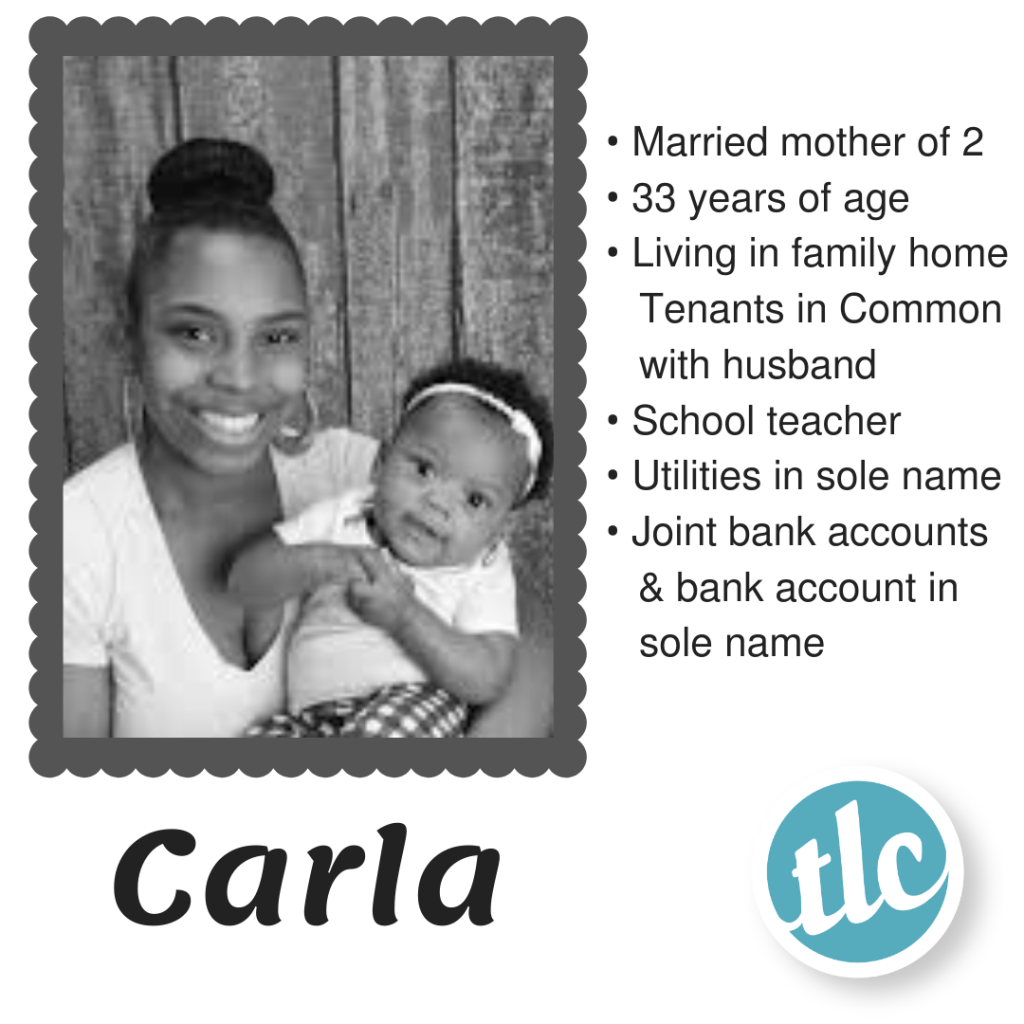
Without an LPA:

  • If a person loses capacity and does not have an LPA in place then life becomes that little bit more complicated. A loved one, or carer, can apply to the Court of Protection for Deputyship (this is where the court appoint an Attorney to act for the person who has lost capacity), but this is a lengthy and extremely costly process. In the meantime you may struggle with the following:

Financial affairs:

  • Joint bank accounts may be frozen;
  • No one will have authority to access bank accounts in the person’s sole name to pay for expenses such as, grocery shopping, utilities & amenities and care costs to name but a few;
  • No one will have authority to speak with any financial institutions on behalf of the person;
  • No one will have authority to speak with any utility companies to ensure the provision of necessary utilities;
  • No one will have authority to deal with the property on person’s behalf making any decision regarding selling the property and moving the person into more appropriate accommodation for their care needs;
  • No one will have authority to speak with the Local Authority or the Department for Work and Pensions on behalf of the person to ensure the  correct benefits and financial provisions are in place.
  • For the Health & Welfare side of things:
  • No one will have authority to give direction as to the person’s living arrangements or day-to-day activities/welfare;
  • No one will have authority to liaise with the person’s GP, Hospital staff or healthcare professionals;
  • No one will have authority to liaise with care home/ warden/ sheltered accommodation in relation to day-to-day care;
  • No one will have authority to liaise with Local Authority in relation to the person’s health and welfare issues. 

So, to clarify, both a Will and LPAs are vitally important to put in place but we feel as though an LPA is more important to an individual DURING their lifetime.

If you would like to have a free chat about Wills or Lasting Powers of Attorney, please contact us on info@TotalLegacyCare.co.uk or 01727 865 121

Neil Barras-Smith

Have a Question or
want to book a 

FREE Consultation?
 

PLANNING… What are you waiting for?

PLANNING...

What are you waiting for?

We started the New Year by getting you think about all those grown-up things that are  on all of our to-do lists but many of us don’t get round to…that’s right, we are talking Wills, Powers of Attorney, Funeral Plans, Retirement and even dealing with the death of a loved one.

So, now that we have put all of our checklists and tips out there for you, we thought we would consolidate everything, in one place, to make things that little bit easier for you:

Let’s start at the beginning, New year, new resolutions, new you? Let’s getting planning…, when Neil gave an overview of exactly what we would be looking at over the course of our planning articles:

Here, Neil discusses exactly why he wanted to get a Funeral Plan in place and why his boys were such an important part of this decision.

A little checklist of considerations and points so that you can review your own Will and ensure that it is up to date and your wishes will be carried out when needed.

If you were in the unfortunate situation where you had lost capacity, whether that be temporarily or on a permanent basis, who would you want to make decisions for you?

Who would you trust to make the decisions that you would have if you had been able to?

As we know that being an Executor, although a privilege to be asked, can be a massive burden! We have set out a brief checklist of some of the things that an Executor should consider first when dealing with probate.

Just because saving for retirement is difficult, it doesn’t mean you should give up…Bobby Keer shares some great tips with us!


If you would like to have a free chat, please contact us on  info@TotalLegacyCare.co.uk or 01727 865 121

Leah Waller

Got a Question or want to book a FREE Consultation?

Valentine’s Day… What better gift to give your loved ones than peace of mind

Valentine's Day…

What better gift to give your loved ones than peace of mind

We are taking a little break from our weekly planning articles and checklists that are helping you to get all those important ‘grown-up’ jobs off of your to do list 😉 

This week we are talking about…Valentine’s Day.

So, hands up how many of us have forgotten to get our loved one a gift, or are at that stage where Valentine’s Day is just another day and gifts are a long distant memory?

Well, what about giving our loved one’s the gift of peace of mind?

What do we mean by peace of mind?

We set out below a couple of things that we know will help give you peace of mind as well as relieving the financial and emotional burden from your loved ones when the time comes:

  • Lasting Power of Attorney

Putting a Lasting Power of Attorney in place allows you to give the person you trust most the power and authority to make decision for you, in relation to you health & welfare and property & financial affairs, if you are unable to do so.

Giving your loved ones, as well as yourself, peace of mind that should anything happen and you are unable to make decisions (whether that be due to temporary or permanent loss of capacity or simply because you cannot be physically present where you are needed) that there is someone in place to take those decisions for you and make the decisions you would have, if you were able.

  • Will

Having a Will in place (and reviewing that Will!) will give you and your loved ones

peace of mind that when the worst happens all your wishes are written down and can be carried out as you intended.

  • Funeral Plan

Having a Funeral Plan in place means that you can not only take away the

financial burden from your loved ones by paying for your funeral in advance (whether in a lump sum or by instalments), you also remove the emotional burden as all your wishes will be written down and can be put into effect by the Funeral Director with minimal input from your loved ones at an already difficult time.

We have these in place as we understand just how important it is to be protected and we are more than happy to have a free chat with you too, no obligation – honestly!

If you would like to have a free chat about anything in this article, please contact us on  info@TotalLegacyCare.co.uk or 01727 865 121

Leah Waller

Happy Valentine's Day!

Who do you want to make decisions for you and have they got the power?

PLANNING...

Who do you want to make decisions for you and
have they got the power?

This week we are focusing Lasting Powers of Attorney. 

Not everyone understands the importance of having a Lasting Power of Attorney in place and until the time comes, when an LPA is required, many don’t know what they are needed for.

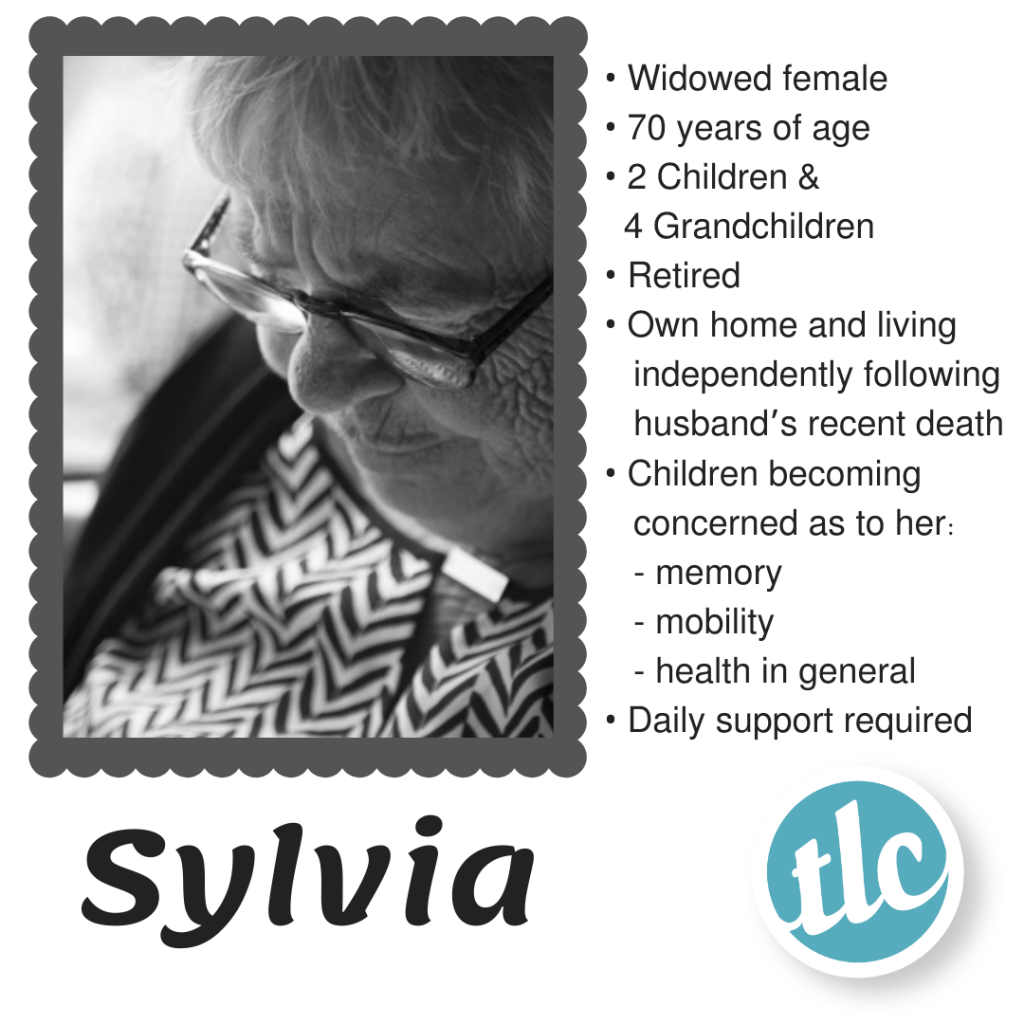
If you were in the unfortunate situation where you had lost capacity, whether that be temporarily or on a permanent basis, who would you want to make decisions for you? Who would you trust to make the decisions that you would have if you had been able to?

Unfortunately, just because you are married it does not give your spouse the automatic right to make decisions for you, whether in relation to your health and welfare or your finances!

And…what about your business? If you own your own business, what would happen to that? Who would step in and would they have the power to?

Again, your second in command may not have the power and authority to make decisions, in relation to your business, if you are unable to do so and your spouse may not be able to either. 

So, where does that leave you?

  • If you have a business:

Check out our article, Should I have a Lasting Power of Attorney in place to protect my business?

  • To protect your finances and property affairs and ensure that someone that you trust to make the decisions that you would want to make if you are unable to:

Have a think about:

  • Who you would want to take decisions on your behalf in relation to your home, property, cash, bank accounts, investments and financial affairs if you were unable to.

Consider putting a Property & Financial Affairs Lasting Power of Attorney in place.

  • To give you peace of mind in relation to your health and welfare:

Have a think about:

  • Who you would want to take decisions on your behalf in relation to your health, medical care, welfare, day-to-day living and activities if you were unable to.

Consider putting a Health & Welfare Lasting Power of Attorney in place.

A Lasting Power of Attorney is required during your lifetime so that someone can make decisions for you when you are unable to make them for yourself.

A Lasting Power of Attorney allows you to appoint someone that you trust to make decisions for you, if you lose mental capacity or are unable to make decisions for yourself.


If you would like to discuss putting a Lasting Power of Attorney in place, call us on 01727 865 121 or email us at info@TotalLegacyCare.co.uk for a free discussion on how we can help.

Leah Waller

Got a Question or want to book a FREE Consultation?
New year, new resolutions, new you? Let’s getting planning…

New year, new resolutions, new you?
Let’s getting planning...


So, it’s the start of the New Year and we’ve said goodbye to another that’s passed. Last year may have been good, it may have been troubled and you may not have got round to ticking everything off that to-do list or kept last year’s resolutions…


Each week, we will be writing an article around the “grown up stuff” that should be planned for with useful information and free advice as always to help you to plan for your family’s future and keep on track (don’t worry we will keep them short, to the point and add a little element of fun where we can!).


We will be looking at:


  1. Funeral planning

    1. How to save your loved ones the emotional burden; and

    2. How to save loved ones the financial burden


  1. Wills & Trusts

    1. Planning for Inheritance Tax;

    2. Ensuring your money goes where you want it to;

    3. Guardians for your children;and

    4. Protecting your property against unwanted costs and taxes.


  1. Lasting Power of Attorney

    1. What is it and why is it important? and

    2. Who to choose as your Attorneys


  1. Probate

    1. What is the process and why is it important?

    2. How to get the help you need at such a difficult time;

    3. Why IHT forms are so important to complete correctly; and

    4. What are you liable for as an Executor?


  1. Pensions and investments

    1. Do you know how your pensions are performing?

    2. Are your investments working in the way you want them to or could they be placed elsewhere?


In all of our articles we aim to give you the information that you need in a simple and easy to understand format, to help you to make the decisions that you want to.


It seems that there is never enough hours in the day but let’s start the year on a positive and MAKE TIME to plan and get some of these things in place and off of your to-do list.


Check out our website for lots of free information or contact us for a free meeting.

Neil Barras-Smith

Got a Question or want to book a FREE Consultation?

Only 55.2% of Lasting Powers of Attorney applied for in September 2018 were registered, WHY?

Only 55.2% of Lasting Powers of Attorney applied for in September 2018 were registered, WHY?

Statistics from the Office of the Public Guardian show that a total of 77,541 applications to register Lasting powers of Attorney were received in September 2018 alone (59,079 paper applications and a further 18,462 online applications) BUT only 55.2% of those were completed and registered by the Office of the Public Guardian.

So, with so many applications (500 more applications in September 2018 compared to August 2018) it is clear that the importance of putting an LPA in place is recognised by many but why are so many applications not registered?

The application forms are lengthy and do not require completion by a professional and so many opt to make the applications themselves to save money.

However, a Certificate Provider is still required to sign each Lasting Power of Attorney to certify that the Donor (the person making the application) understands the power that they are giving in the LPA, have not been forced or pressured into making the LPA, there is no element of fraud in the application and that they have no cause for concern. This certificate provider must be independent and have known you for at least two years or be a doctor or lawyer.

Although much of the form may seem simple and easy to complete, with just over half of applications being completed by the Office of the Public Guardian, what are the most common errors?

We spoke to the Office of the Public Guardian to ask what the most common mistakes were, causing applications to be rejected and found the following:

  • Inconsistency

The form is lengthy and requires the completion of both the Donor’s details and the Attorney’s details (the person being given the power by the Donor) in numerous boxes and inconsistency with this – whether this be incorrect spelling, inconsistent spelling, inconsistent dates of birth or address – this can cause the application to be rejected.

  • Dates

The application forms require signatures and the date that those signatures were completed to be inserted a number of times and the order in which this must take place is strictly stated in the forms. If this strict sequence is not followed, or dates are missing, this can cause the application to be rejected.

  • Outside the box

The signatures throughout the form must remain inside the boxes given and so if the signatures go outside the box, this may cause the application to be rejected.

With an £82 application fee, that is not refunded if the application is rejected, it is important to ensure your application is completed correctly and also ensure the application is in place ready for when you need it. The form being rejected or sent back to be rectified can cause significant delays and this may well have severe consequences.

Lasting Powers of Attorney allow you, the donor, to give power to the person, or people, you trust most, to make decision for you when you are unable to.

Total Legacy Care are able to provide a Certificate Provider when completing your application for a Lasting Power of Attorney.

If you would like to have a free chat about Lasting Powers of Attorney, please contact us on  info@TotalLegacyCare.co.uk or 01727 865 121

Leah Waller

Got a Question or want to book a FREE Consultation?
Nursery Rhymes and Death…What is the connection?

Nursery Rhymes and Death... What is the connection?

So, why do we use nursery rhymes to talk about Death?!

It may seem like an unusual way to get our point across, but talking about death is always an uncomfortable conversation and so doing this through Nursery Rhymes has been a great way of getting people talking and encouraging them to plan for their families’ future!!

Nobody likes to think about death, as is evident by almost half the country not having a Will in place.  Without the right planning in place, things can go terribly wrong and you have no control over where your hard-earned money ends up! Unnecessary pressures and burdens can drive families apart and this is something that nobody would really want.

So what do we want…here are some of the main reasons why we want you to plan properly for your family’s future:

  • your money goes where we want it to;
  • children are looked after and guardians (that you choose) are put in place if needed;
  • to make it as simple as possible during a time of grief for your family to deal with your estate and assets;
  • can reduce Tax complications ensuring that as much of your hard-earned money goes where, and to who, you want it to;
  • to give you piece of mind, knowing that your family is planned for, should the worst happen.
  • if you Google Wills, Lasting Power of Attorney (LPAs), Funeral Plans or Probate, you’ll get a raft of very sombre looking pages, using stock photos of sad-looking elderly people or a dull video explaining why each is important. It’s depressing watching and reading through them and so no wonder the majority of people put it off, don’t act and fail to get the right measures in place.

We are very different here at TLC!!

We want people to feel relaxed talking about these subjects, understand the implications but know there are solutions and we always aim to put people at ease and answer any questions that they may have.  Talking about the ‘Elephant in the room’ is so important to plan for your family’s future, that’s why we take a different spin on things!

We love making videos to explain our world (and get our personalities across!). YouTube is the second largest search engine and therefore more people are looking to video for information – we don’t want to miss this opportunity.

Most people don’t like thinking about, let alone answering, the question “Who will look after my children if I die before they turn 18?” That is where we decided to use Nursery Rhymes to explain the  scenario in a way that, we hope, people can relate to.

So, what videos have we produced so far?

Jack & Jill

Possibly the most popular of all Nursery Rhymes.

In this short video, we explain:

  • what happens to your estate if there is no Will in place;
  • what happens to your estate, if you have a partner but are not married;
  • how a Will is used to carry out your wishes;
  • what happens if you remarry after the death of your former-spouse;
  • how a Will is void on marriage; and
  • how your children could receive nothing if not properly planned for.


Humpty Dumpty

Another classic Nursery Rhyme…with a twist.

We look at the loss of capacity and how a Lasting Power of Attorney (LPA) can really help. We look at some of the burdens and complications faced when there is no LPA is place and when there is no one that can act for you when you are unable to act for yourself due to a lack of capacity.

We explain:

  • how banks can freeze bank accounts if an account holder loses capacity;
  • how partners/family members have to find ways to pay bills, liabilities and maybe even healthcare on behalf of their loved one with no access to their accounts;
  • the different types of Lasting Power of Attorney;
  • the complications on deciding on healthcare; and
  • the authority to sell a loved one’s home.

Little old Women who lived in a shoe

This is the most delicate of subjects, talking about who we would want to be the Guardians of our children should we not be around.

In this video we explain:

  • what could happen to the children if your proposed guardians are not stated in a Will; and
  • how a simple Will could make life so much easier for your children and those you have left behind.

Although the videos are light hearted, this is done in a delicate way to ensure that we never sway away from how important our work is and, although we may make the videos fun, we are professional and knowledgeable within our field.

Neil Barras-Smith

Got a Question or want to book a FREE Consultation?

Why do I need an LPA?

Why do I need an LPA?

Not everyone understands the importance of having a Lasting Power of Attorney in place and until the time comes, when an LPA is required, many don’t know what they are needed for.

A Will, although extremely important, only comes into effect when the person who made the Will passes away. A Lasting Power of Attorney is required during your lifetime so that someone can make decisions for you when you are unable to make them for yourself.

A Lasting Power of Attorney allows you to appoint someone that you trust to make decisions for you, if you lose mental capacity or are unable to make decisions for yourself.

There are two types of Lasting Power of Attorney:

  • Health & Welfare Lasting Power of Attorney; and
  • Property & Financial Affairs Lasting Power of Attorney.


Health & Welfare Lasting Power of Attorney

The Health & Welfare Lasting Power of Attorney allows your appointed Attorney/s to take decisions on your behalf in relation to your health, medical care, welfare, day-to-day living and activities.

In order for your Attorney to take decisions on your behalf they may need to provide the original Lasting Power of Attorney, or a certified copy, to the following people, depending on the decision that is being made (the Attorney will also need to provide proof of their own identity, such as a passport or driving licence, again this will vary):

  • GP / GP Surgery
  • Hospital Staff
  • Care Home
  • Social Workers
  • Local Authority
  • Sheltered Accommodation

We understand that these conversations are difficult but we always recommend that you have discussions with your Attorney/s to ensure that they know how you would like to be cared for, your preferences for day-to-day care and your end of life care plan.


Property & Financial Affairs Lasting Power of Attorney

The Property & Financial Affairs Lasting Power of Attorney allows your appointed Attorney/s to take decisions on your behalf in relation to your home, property, cash, bank accounts, investments and financial affairs.

In order for your Attorney to take decisions on your behalf they may need to provide the original Lasting Power of Attorney, or a certified copy, to the following people, depending on the decision that is being made (the Attorney will also need to provide proof of their own identity, such as a passport or driving licence, again this will vary):

  • Bank
  • Building Society
  • Utility Companies
  • Care Home
  • Land Registry
  • Local Authority
  • Department for Work & Pensions
  • Service Providers

Take a look at our four case studies to see how a Lasting Power of Attorney can help:

If you would like to discuss putting a Lasting Power of Attorney in place, call us on 01727 865 121 or email us at info@TotalLegacyCare.co.uk for a free discussion on how we can help.

Got a Question or want to book a FREE Consultation?

When should I make a Lasting Power of Attorney (LPA)?

When should I make a Lasting Power of Attorney?


Much like when deciding to make a Will (see our Article – When should I make a Will?), there is no right answer, to the question: when should I make an LPA? Everyone’s circumstances are different and so timing will be different for everyone. 


Everyone’s lives take different paths and at different ages and there is no one rule that will fit for all.


There are two types of LPA; a Property & Financial Affairs LPA which allows your Attorneys to make decisions in relation to your finances, bank accounts, stocks/shares, ISAs, your utilities as well as any property that you own or have an interest in, and a Health & Welfare LPA which allows your Attorneys to make decisions in relation to your health, medical treatment, day-to-day activities, living arrangements, accommodation and general welfare.


Below we have set out some of the milestones that making and reviewing your LPAs should be considered:


Recovering from an Illness or Injury

Ideally you would have an LPA in place to cover you prior to any incapacity (whether mental, physical or both) through illness or injury but should you not, it is extremely important to make this a priority once you have recovered.


Should anything happen subsequently, or completely separately, you will want to ensure that your loved ones can make decisions for you, on your behalf, if you are unable to without any hassle and delay. If you have already experienced a stint in hospital through illness or injury you will be all too aware of the delays that can be caused and the distress to loved ones through the lack of an LPA.


Once in a Lifetime Trip / Travelling

If you are embarking on a once in a lifetime trip or travelling it is important to consider an LPA. An LPA not only allows your Attorneys to
take decisions when you no longer have the capacity to do so but also if you are unable to because it requires you being physically present or a physical signature which may well be impossible if you are overseas, especially for an extended period.


Buying your first property

When most people buy a property it is usually their most valuable asset, so you need to prepare for this and ensure that someone that you trust is able to make decisions on your behalf if you are unable to do so through lack of capacity or because you are not contactable due to being abroad or in unforeseen circumstances.


Getting married

When you get married you may wish to review your LPA and consider who was appointed as your Attorney/s and whether this should be updated to include your spouse.


Having a baby

Whether you have your own children, are fostering or adopting, having a child  (or children!) changes your life and means that you are responsible for more than just yourself. It is important to have LPAs in place so that your loved ones can make decisions, without delay and without the expense of going through the Court of Protection, in relation to any health, welfare, financial or property decisions that may be required.


As your children get older you may want to consider appointing them as your Attorneys.


Attorneys must be over 18 years of age.


Buying a new or bigger property & Investing in buy-to-let
properties or second homes

When investing in more property you should also consider reviewing your LPAs, should you be unable to take decisions in relation to that property, either through lack of capacity or because you are not physically available or contactable, you need to ensure that someone that you trust implicitly is able to, and has the power to make such decisions.


Investing in assets abroad 

When you invest in assets abroad it is important that you are aware of the legal obligations in that country and whether you should be appointing an Attorney to deal with assets in that country.


Equally, if you decide to spend more of your time abroad then you may well have large periods of time that you are not in the UK and will be unable to make quick decisions or be available for signing of documents should it be required and so having an Attorney appointed that can do this on your behalf is important.


Getting divorced or Dissolving a Civil Partnership

If your spouse is appointed as your Attorney and you subsequently get divorced or the civil partnership is dissolved then the former-spouse will no longer be able to act as an Attorney.


It is important to review your LPA at this stage to ensure that you have replacement Attorneys in place or that new Attorneys are appointed.


Getting re-married

As we have set out above, when you get married, you may want to appoint your spouse as your Attorney (if you have not already done so) and so your LPA should be reviewed to ensure that the people you trust most with your affairs are appointed under the appropriate LPAs.


Owning a business

If you own a business you should consider our Article – Should I have a Lasting Power of Attorney in place to protect my business?


There may be circumstances in which you are unable to make commercial decisions and if that should happen, it may well be that the person that you would most trust to step into that position is unable to and powerless.


Depending on the setup of your business an LPA should be considered to assist with succession planning and setting out your business plan in order to limit disruption to your business and relieve those closest to you of the burden that comes with uncertainty and the possibility of making a Court of Protection application, avoiding any delays.


Retirement

This is another milestone where your circumstances change and you may well want to review and update who you have appointed as your
Attorneys. 


As set out above, you may be fortunate enough to spend some of you time once retired, abroad and so may well need Attorneys in place in the UK to take decisions for you when you are unable to or not available.


Ill or Poor Health

A Lasting Power of Attorney must be put in place whilst you have capacity and a Certificate Provider is required to certify this in order for the Power to be registered by the Office of the Public Guardian.


An LPA must therefore be put in place before your health deteriorates so much so that you lose capacity and are unable to obtain the signature of a certificate provider to register your Attorneys. Leaving an LPA too late can mean that you are unable to appoint those you want as your Attorneys and can mean a long and expensive court process for your loved ones.


An LPA can be revoked at anytime, Attorneys can be removed and new Attorneys appointed as and when you review your LPAs and any changes are required.


There is never a right time to put your LPAs in place but as you can see there are many milestones throughout your lifetime in which your LPAs may be required and so getting them in place early and keeping them under review throughout these milestones is important.


If you would like to discuss putting a Lasting Power of Attorney in place, call us on 01727 865 121 or email us at info@TotalLegacyCare.co.uk for a free discussion on how we can help.

Got a Question or want to book a FREE Consultation?

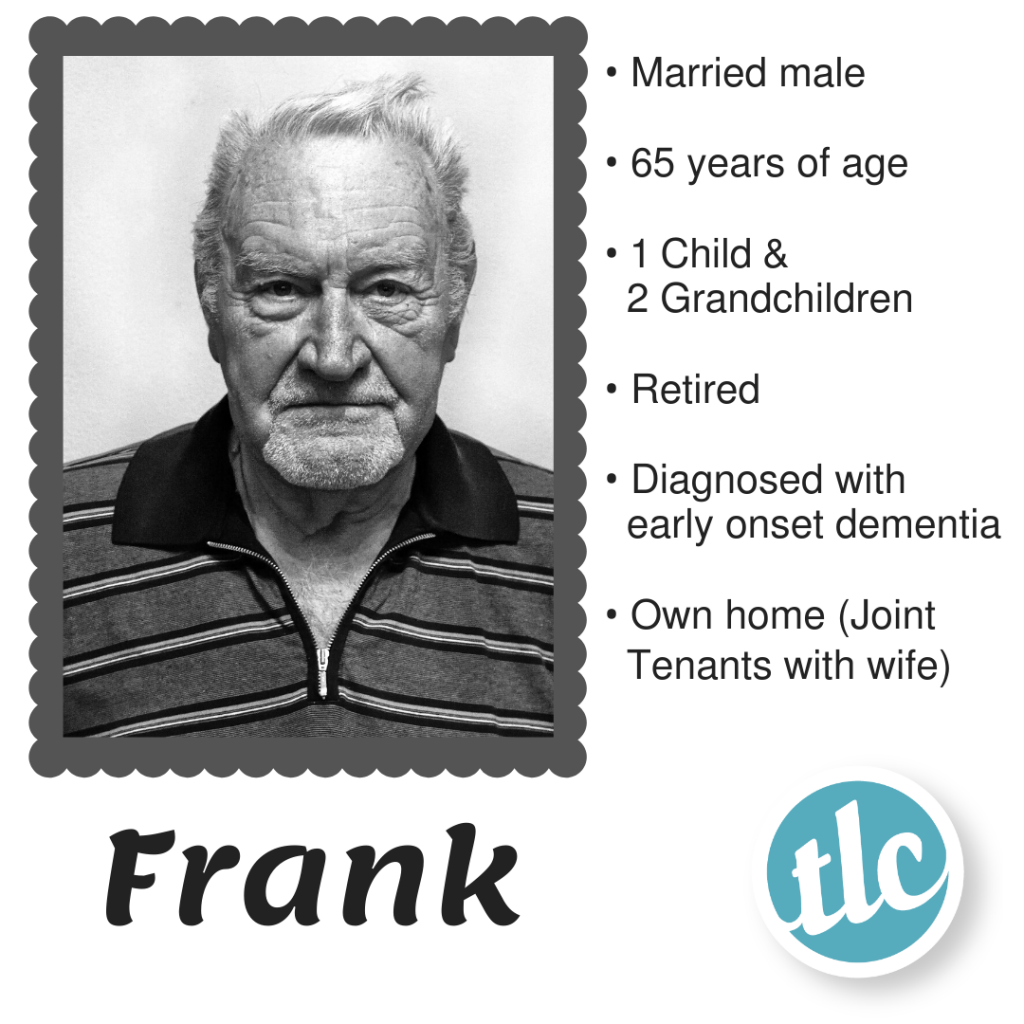
Is it too late to make a Lasting Power of Attorney once being diagnosed with Dementia?

Is it too late to make a Lasting Power of Attorney once being diagnosed with Dementia?

A Lasting Power of Attorney is put in place so that someone that you trust implicitly can manage your finances & property and/or your health & welfare on your behalf.

A Lasting Power of Attorney must be put in place whilst the Donor (the person giving the Power) has capacity and a Certificate Provider is required to certify this in order for the Power to be registered by the Office of the Public Guardian.

So, once diagnosed with dementia is it too late to make a Lasting Power of Attorney? 

This will depend on how soon the diagnosis takes place and whether the individual that has been diagnosed has lucid or ‘good’ days and is still of sound mind.

If the individual still has lucid days where they are clear on their finances, current affairs and appear to be unaffected by the dementia then it may well be that a Lasting Power of Attorney can be prepared at this time and instructions taken from the individual. A Certificate Provider will meet with the individual and go through, carefully and sensitively, the current circumstances and ask questions as to that individual’s circumstances and personal affairs as well as current affairs in the news and media to ascertain their general capacity and mental wellbeing. If the Certificate Provider is content that the intended Donor has capacity, then the Lasting Power of Attorney can be applied for.

When registering a Lasting Power of Attorney, notification can be given to up to five people although this cannot be given to those that are being appointed as the Attorneys. This provides extra security for the Donor and allows the person, or people, being notified of the intended registration the opportunity to object to the Power being registered for any of the following reasons:-

  • if they believe that the Donor does not have mental capacity;
  • if the person being notified has a genuine belief that the Donor was under undue pressure to give the Power or is a victim of fraud;
  • if the person being notified has a genuine belief that the Attorney would act in a way that is beyond their powers under the Power or would not be in the best interests of the Donor;
  • if the Donor of the intended Attorney, or Attorneys, have already passed away;
  • if the Donor and intended Attorney were married or in a civil partnership and this has now ended;
  • if the intended Attorney does not have the mental capacity to be appointed as an Attorney;
  • if the Attorney is bankrupt;

The clear advantages of having a Lasting Power of Attorney in place means that, if both a Health & Welfare Power and a Property & Financial Affairs Power are registered, then the Donor is able to appoint the people they know and trust (whilst still of sound mind to make such a decision) to make decisions for them at a time in which their health is deteriorating and takes an unnecessary stress away at a difficult time for them and their loved ones.

We are always happy to have a chat with you about putting a Lasting Power of Attorney in place, the Powers that are available and whether this is still a viable option for either yourself or a loved one.

If you would like to have a free chat about Lasting Power of Attorneys, please contact us on  info@TotalLegacyCare.co.uk or 01727 865 121

Got a Question or want to book a FREE Consultation?